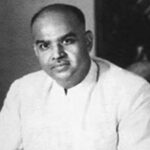
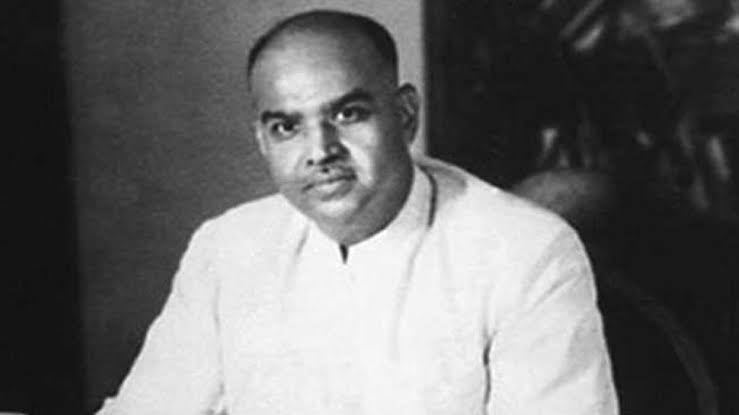
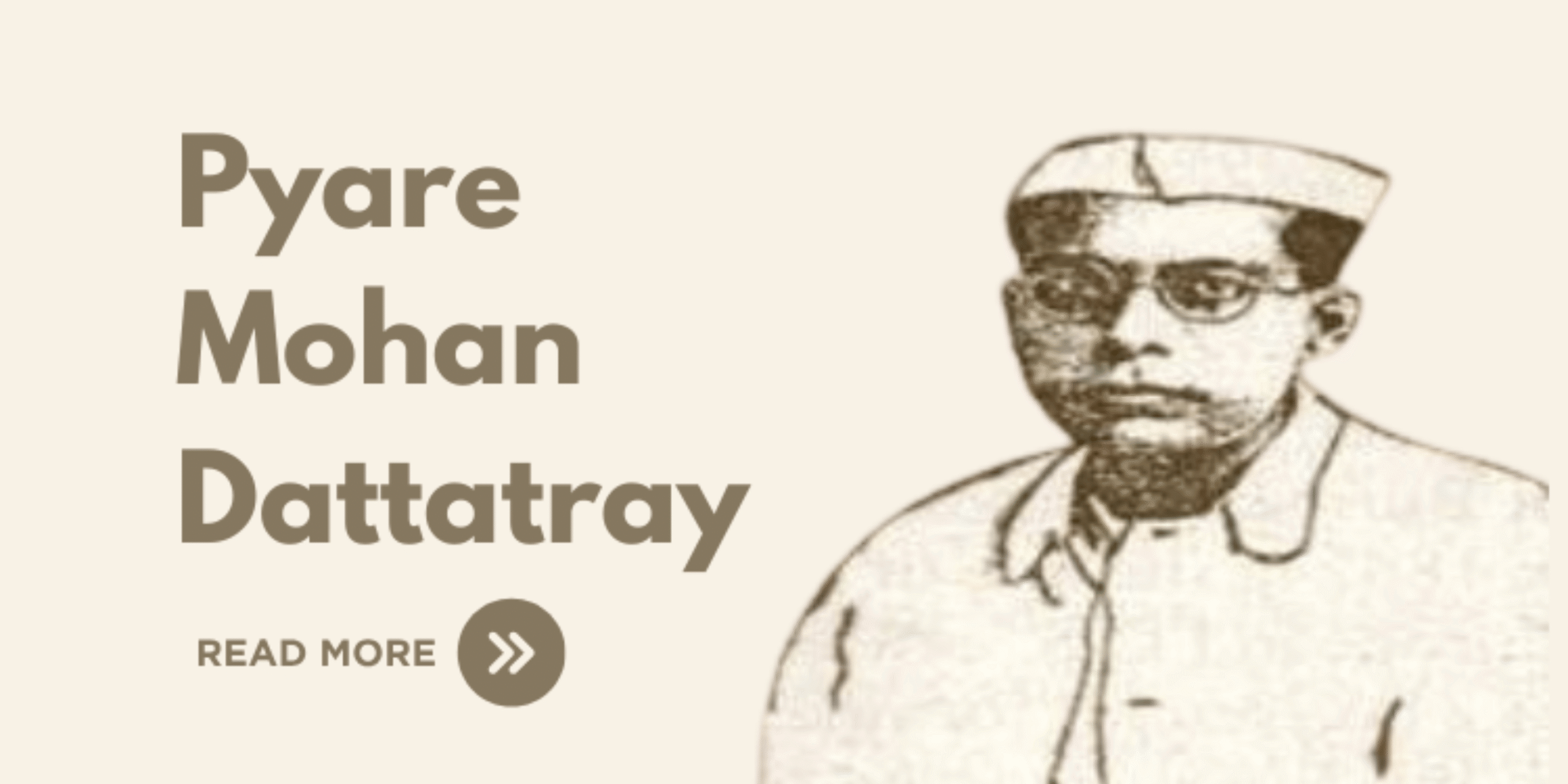
Dr. MADHULIKA SINGH Pandit Pyare Mohan Dattatray’s ancestors originally hailed from Rainawari in Srinagar, Kashmir Valley. Around 1716, during the reign of Mughal Emperor Farrukh Siyar, his family migrated to Delhi and settled in the Kashmiri locality of Bazar Sitaram. His father, Brij Narayan Dattatray, was a reputed Urdu poet, and his mother was Bageshwari…
-
Har Ratri, reverentially known as Herath among Kashmiri Pandits(KPs), represents one of the most significant festivals in the community’s religious calendar. Celebrated on the thirteenth day of the dark fortnight in the month of Phalguna (February-March), this festival predates the more widely known Maha Shivaratri by one day and embodies the unique tantric traditions that…
-

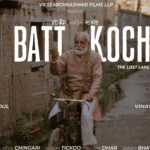
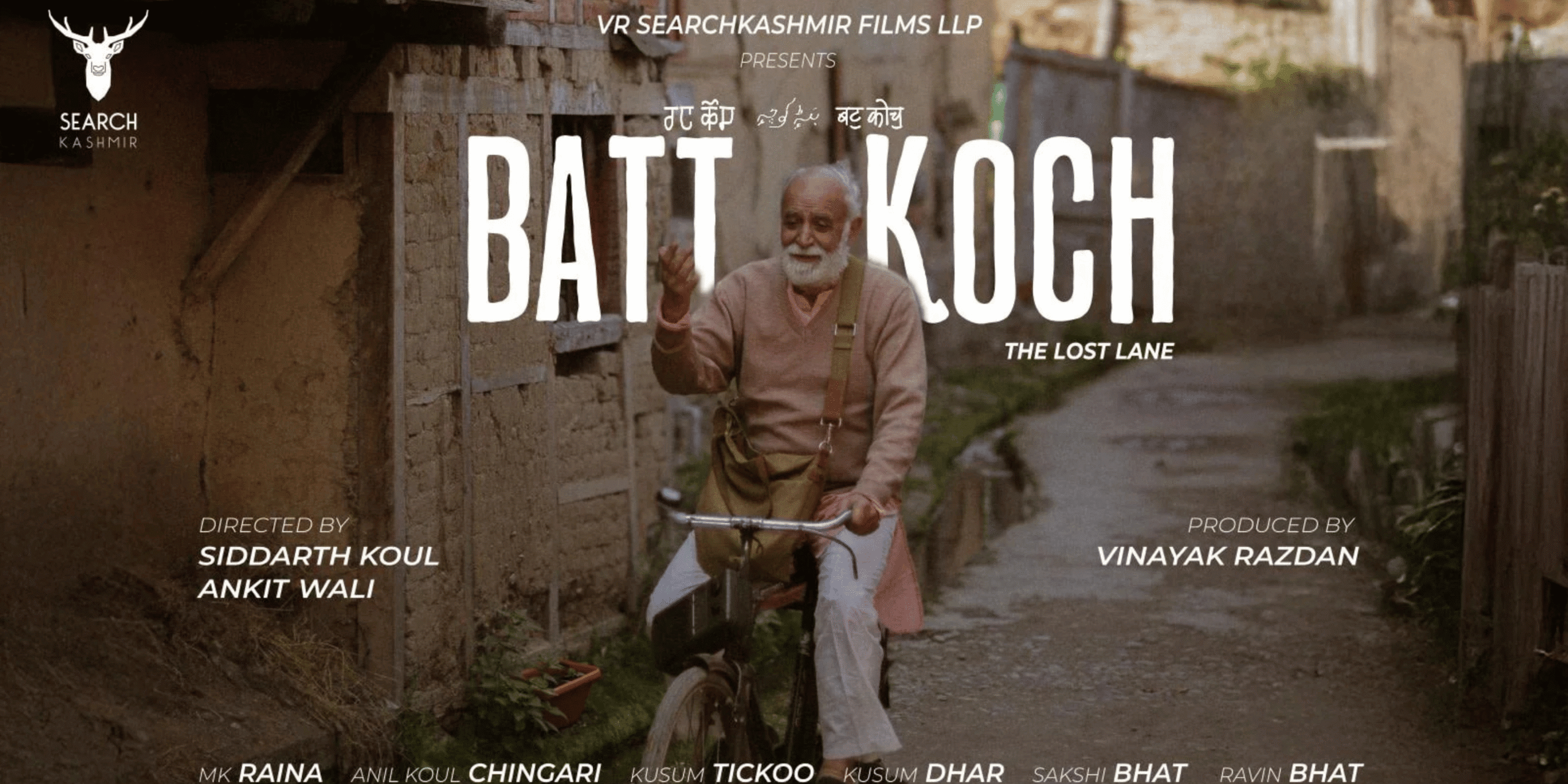
Krishna Saproo In the dim glow of a Jammu cinema hall, as the credits rolled for Batt Koch, the audience erupted in applause, many wiping tears from their eyes. This Kashmiri-language film, directed by Siddarth Koul and Ankit Wali, emerges as a poignant elegy for the Kashmiri Pandit community, capturing the quiet devastation of the…
-
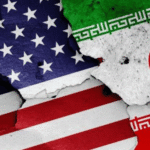
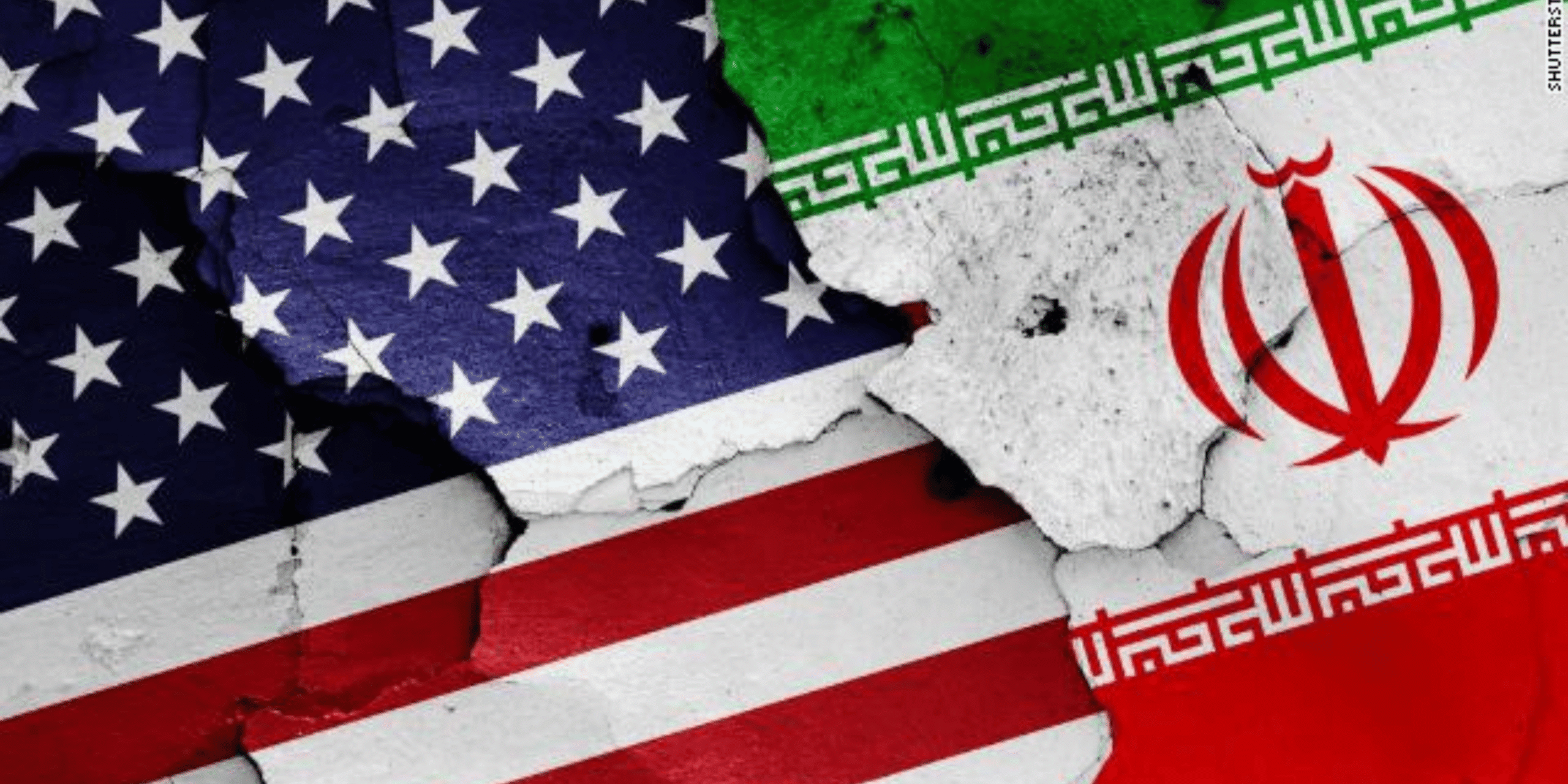
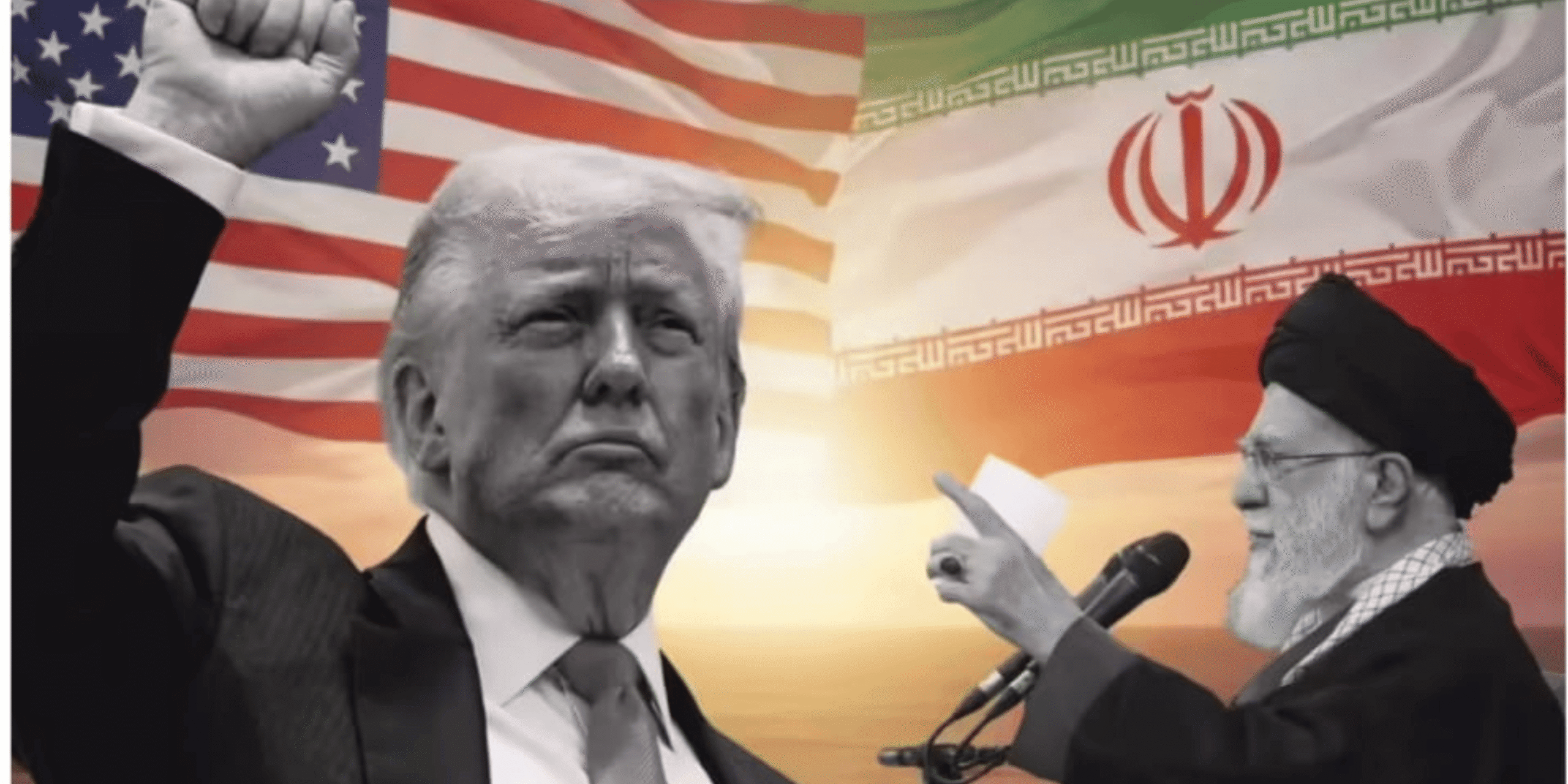
The Iran–US conflict is no longer a distant geopolitical contest. For India, it is a direct and present threat to economic stability, energy security, and national strategic interests. As the world’s third-largest oil importer and a country with deep civilisational, commercial, and diplomatic ties to both the Persian Gulf region and the West, India cannot…
-

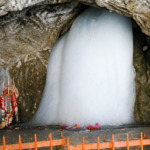
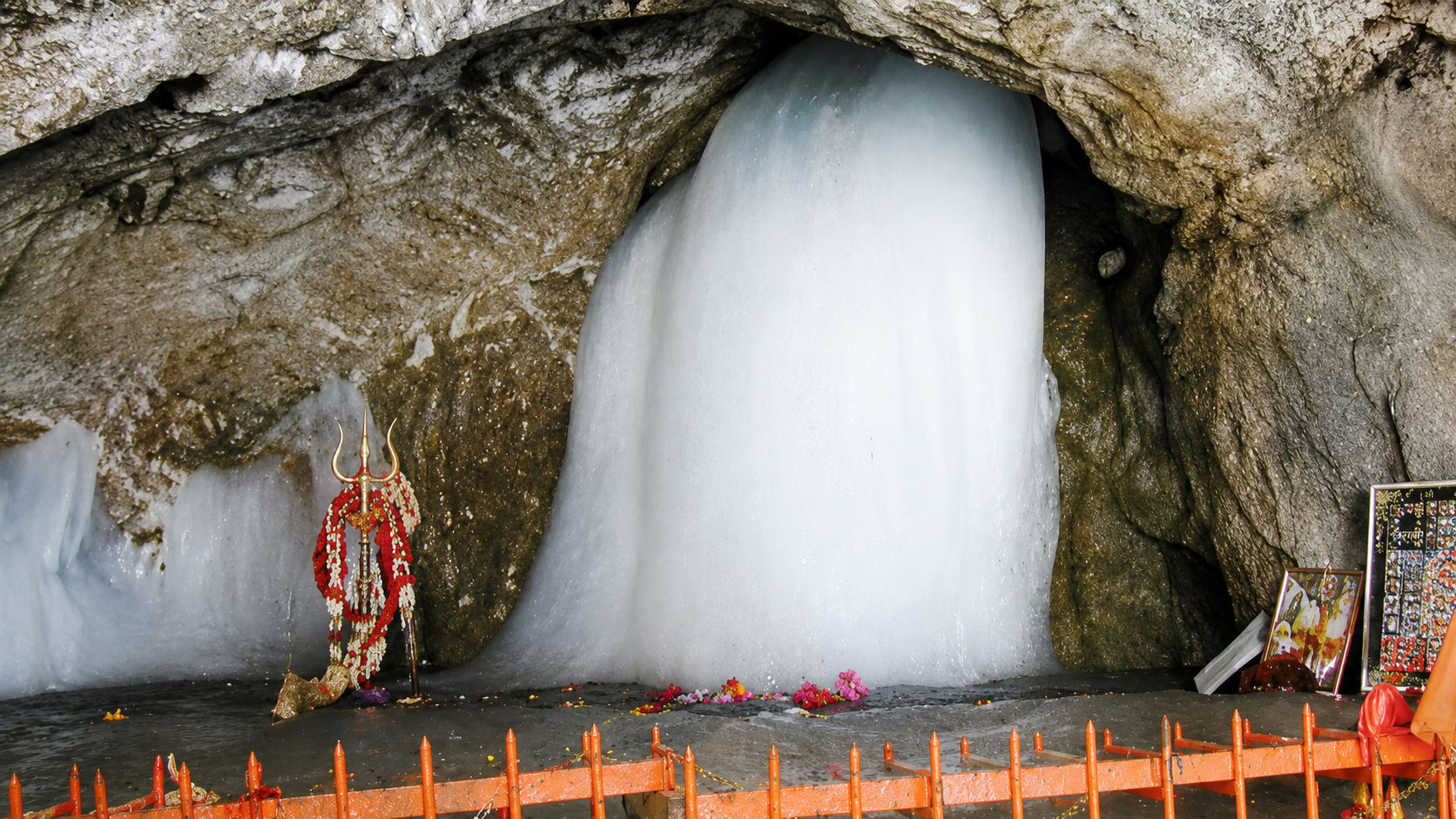
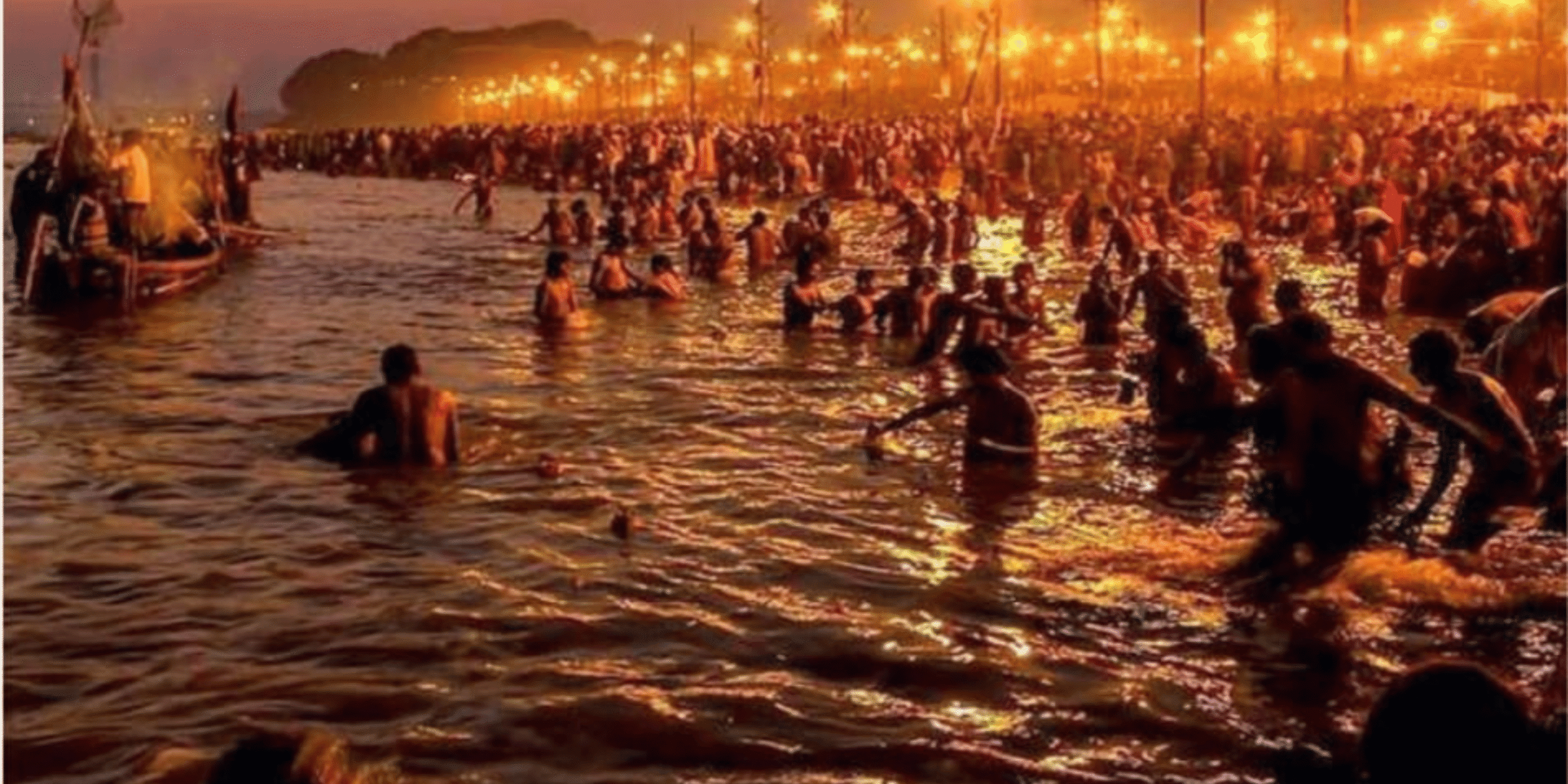
S.K. KHUSHU In the sacred rhythm of Hindu time, Mauni Amavasya stands apart—not for outward celebration, but for inward turning. Observed this year on 18 January, during the spiritually potent month of Magha, it is a day when silence itself becomes prayer and stillness becomes yoga. Mauni Amavasya is one of the most sacred days…
-

DR.MAHESH KAUL Few geopolitical fault lines carry the destructive potential of the Iran–United States conflict. What began as a revolutionary rupture in 1979 has evolved into a structural antagonism that shapes the security architecture of West Asia, influences global energy markets, drives nuclear non-proliferation debates, and increasingly touches the strategic calculations of powers as far…
-

Bushan Jalali In the late 19th century, the profound philosophical system known as Kashmir Shaivism (Trika philosophy) faced an existential crisis. Centuries of political upheaval , mercenaries insurrection and social displacement had pushed this sophisticated non-dualistic tradition to the brink of extinction. Then centauries old scriptures, texts were either vandalised, vanished and made forbidden. So…
-

DR. MAHESH KAUL Aabhas Maldahiyar’s “Babur: The Quest for Hindustan” represents a significant contribution to the historiography of early Mughal India, offering readers a meticulously researched examination of one of history’s most consequential conquerors. Through eight distinct parts, Maldahiyar reconstructs the life, ambitions, and legacy of Zahir-ud-din Muhammad Babur, challenging conventional narratives and presenting a…
-

DR. MAHESH KAUL When a country rewrites its own birth certificate — burning the photographs of its liberation heroes, erasing their faces from currency notes, and saluting the flag of the nation that once tried to destroy it — something more than a political transition has taken place. Inshallah Bangladesh: The Story of an Unfinished Revolution is…
-

Chander M Bhat Standing at the north-western portal of the Kashmir Valley, where the emerald waters of the Vitasta (Jhelum) carve through rugged mountains before opening into the fertile basin, lies Baramulla, ancient Varahamula. More than just a town, Baramulla has always been a threshold, a place of passage, encounter, and transformation. For millennia, it has…