



DR MADHULIKA SINGH
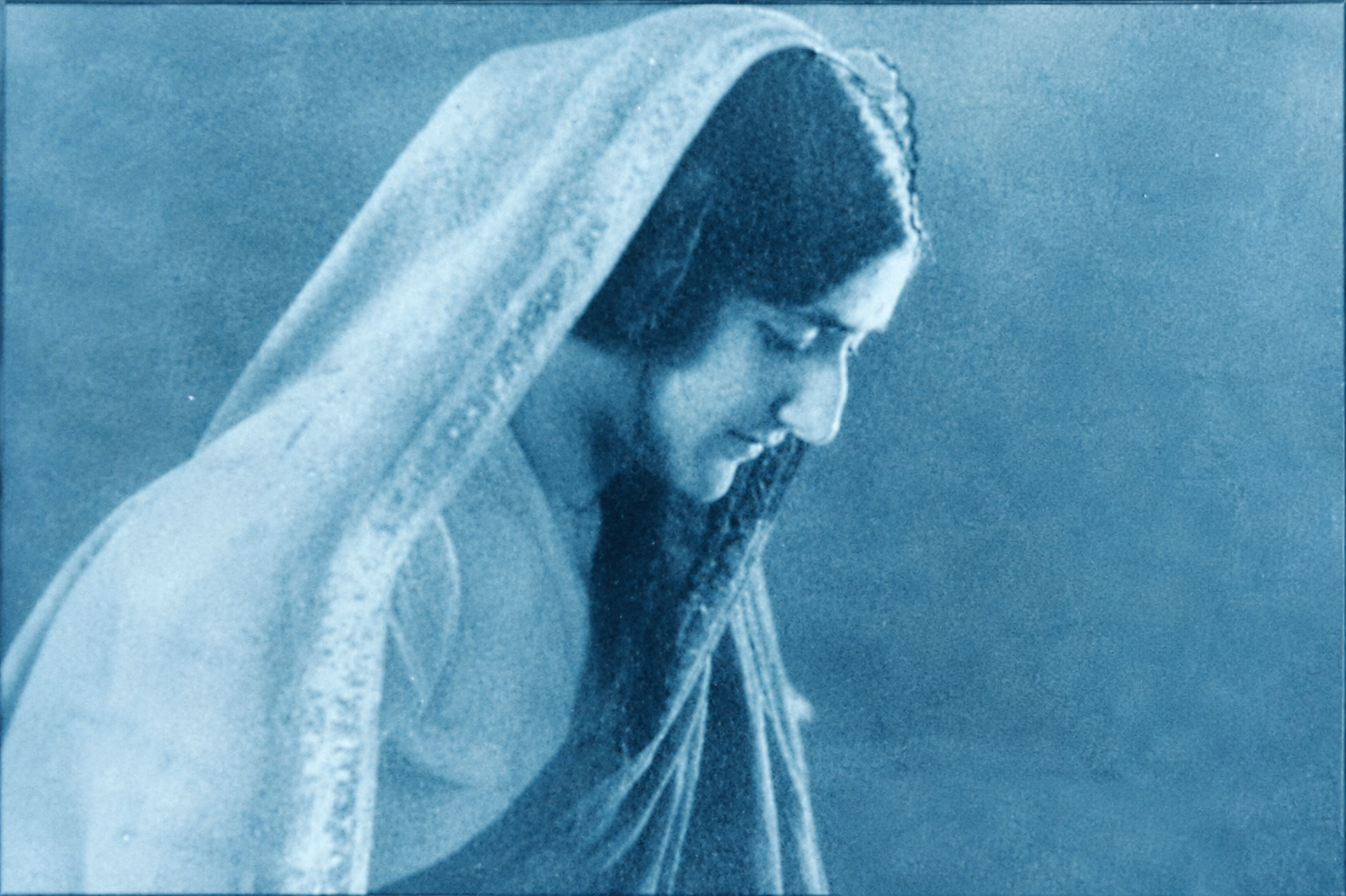
Manmohini Zutshi, a prominent woman freedom fighter and social reformer, emerged from one of the most influential nationalist families of pre-Independence India. Born in 1909 at Anand Bhavan in Allahabad, she was the daughter of Ladli Prasad Zutshi, a distinguished Kashmiri Pandit Brahmin and a reputed barrister of Lahore. Zutshi was the nephew of Motilal Nehru, who brought him to Allahabad after the death of his parents to live with the Nehru family.
Motilal Nehru later arranged Ladli Prasad Zutshi’s marriage with Lado Rani, the daughter of Jeevan Lal Tikku of Lahore. Lado Rani was herself an active nationalist who joined the Indian National Congress in 1919 and played a significant role in the freedom movement, particularly among women activists in Lahore.
Growing up in the politically charged atmosphere of Anand Bhavan, Manmohini was deeply influenced by the ideals of nationalism and public service. From an early age, she displayed a rebellious spirit, exceptional talent, and a strong sense of adventure. She shared a close bond with Motilal Nehru, whose nationalist ideals left a lasting impression on her.
A highly educated woman for her time, Manmohini completed her post-graduation in History and actively participated in India’s freedom struggle. Her mother, Lado Rani, played a crucial role in nurturing her patriotic spirit and encouraging her involvement in the national movement.
During the Non-Cooperation Movement, when Mahatma Gandhi visited Lahore as part of his nationwide tour, Manmohini, along with her sisters and mother, attended his public meeting. The experience transformed their lives, inspiring them to move beyond domestic responsibilities and dedicate themselves to the struggle for independence.
Manmohini and her sisters organised women’s groups to campaign against the sale of foreign clothes. They actively participated in picketing, protests, and demonstrations, delivered speeches against British rule, and courted arrest as part of the freedom movement.
Manmohini began her formal political journey in October 1929 when she became the Chairman of the Reception Committee of the Second All Punjab Students’ Conference, presided over by Subhas Chandra Bose. She later became President of the Students’ Union and led protests against the Lahore Conspiracy Case, in which revolutionary leader Bhagat Singh and others were implicated.
Her activism brought her into conflict with British-controlled educational authorities. She was threatened with expulsion from her college if she did not resign from the Students’ Union. Refusing to bow to pressure, she continued her political activities. As punishment for challenging the colonial administration, the university withheld her degree.
On 15 December 1929, Manmohini, along with her sisters and mother, participated as a Congress women’s brigade volunteer in a flag-hoisting ceremony in Lahore organised by freedom fighters led by Sardar Mangal Singh and attended by several national leaders. The national flag was unfurled by Pandit Jawaharlal Nehru.
During this period, she met several prominent leaders of the freedom movement, including Maulana Abul Kalam Azad, Pandit Madan Mohan Malaviya, Sardar Vallabhbhai Patel, and Srinivas Iyengar. Their leadership and the nationalist environment around her further strengthened her commitment to the cause of independence.
When Mahatma Gandhi launched the Civil Disobedience Movement, Manmohini was arrested by British authorities for leading picketing campaigns against shops selling foreign goods. She also participated in the anti-liquor campaign, leading protests against liquor shops along with her family members.
For her anti-British activities, she was sentenced to six months’ imprisonment. On 8 October 1930, as President of the Students’ Union, she organised a protest against the death sentences awarded to Bhagat Singh, Rajguru, and Sukhdev and called for a complete hartal against the government’s decision.
Manmohini also led campaigns targeting institutions that represented British authority, including educational establishments. Along with her sisters and other women volunteers, she urged students of Government College for Men, Forman Christian College, and Law College in Lahore to boycott classes. Following these protests, she and several volunteers were arrested.
In 1931, she was again imprisoned while leading a year-long campaign of picketing foreign cloth shops. She was released after the signing of the Gandhi-Irwin Pact. However, in March 1932, she was once again sentenced to one year of rigorous imprisonment for defying orders of the Punjab government.
After her release, Manmohini became an important member of the Provincial Congress Committee during 1933-34. She also served as a teacher at Bihar Mahila Vidyapeeth until 1935, an indigenous educational institution established during the Non-Cooperation Movement.
Later, due to family circumstances, she married Amrit Lal Sehgal, a chartered accountant from Punjab employed in a Central Government office. After marriage, she shifted much of her focus towards social service and women’s welfare.
She served as the Honorary Secretary of the Shimla branch of the All India Women’s Conference, working for the upliftment and empowerment of women, particularly in rural areas. In 1945, she became the General Secretary of the National Council for Women, affiliated with the International Council for Women.
Manmohini Zutshi’s life remains a testament to courage, sacrifice, and unwavering commitment to India’s freedom struggle. Along with her sisters and other women nationalists, she challenged colonial authority at a time when women’s participation in public life was severely restricted.
Her dedication to the independence movement and her lifelong work for women’s empowerment continue to inspire generations. The contributions of Manmohini Zutshi and her family stand as a significant chapter in India’s journey towards freedom.
(The Author is an Associate Professor, Department of History, University of Jammu)